


Hydraulic oil does more than simply transmit energy. It lubricates components, dissipates heat, protects internal surfaces from wear, and contributes to the stability of the entire system. When the fluid loses cleanliness and quality, the whole circuit begins operating under critical conditions.
Hydraulic oil contamination is one of the leading causes of failure in industrial and mobile hydraulic systems. Contaminated fluid accelerates the wear of pumps, valves, and cylinders, reduces energy efficiency, and increases the risk of sudden machine downtime. In most cases, the problem does not stem from a single event but from a combination of factors: insufficient maintenance, inadequate filtration, overheating, and the ingress of external contaminants.
Understanding how to prevent hydraulic oil contamination means increasing system reliability and significantly reducing operating costs.
Why Oil Cleanliness Is Essential in a Hydraulic System
A hydraulic system operates with extremely tight tolerances. Some internal components, especially proportional valves and high-precision control valves, work with clearances comparable to the thickness of a human hair. Even minimal impurities can therefore compromise the correct operation of the circuit.
Contaminated oil acts like an abrasive paste. Solid particles circulate through the system and progressively wear down surfaces, seals, and sealing components. Over time, internal leakage increases, pressure drops, and motion precision deteriorates.
Even apparently minor contamination can lead to significant consequences. A stuck valve, a clogged filter, or a noisy pump are often the first signs of a much larger problem.
Fluid quality also affects operating temperature. Degraded oil loses lubricating capacity and dissipates heat less effectively, causing overheating that further accelerates system deterioration.
Main Causes of Hydraulic Oil Contamination
Contamination does not only result from external dirt entering the system. In many cases, it originates inside the hydraulic circuit itself.
Contamination from Solid Particles
The presence of dust, metallic debris, and abrasive particles is the most common form of contamination. Impurities can enter the circuit during maintenance operations, through unprotected breathers, or via components installed without adequate preliminary cleaning.
Even new hoses may contain manufacturing residues inside. If the circuit is not properly flushed before startup, particles immediately begin circulating throughout the system.
Over time, the normal wear of pumps and motors also generates microscopic metal fragments that further contaminate the fluid.
Water Contamination
Water is one of the most dangerous enemies of a hydraulic system. It can enter through condensation, leaks, or damaged heat exchangers.
Even small quantities alter the oil’s properties. The fluid loses viscosity, lubricating capacity decreases, and the risk of internal corrosion increases. In the presence of water, metal surfaces begin oxidizing rapidly, especially in systems subject to continuous temperature fluctuations.
Water also promotes foam and microbubble formation, negatively affecting pressure stability and component response.
Air Contamination
Air entering the circuit causes cavitation, noise, and irregular actuator movement. The issue often occurs because of loose fittings, insufficient oil levels, or faulty suction lines.
Cavitation produces internal micro-explosions that damage pumps and valves. The phenomenon resembles the erosion caused by high-speed sand impacting metal surfaces.
Over the long term, air also accelerates fluid oxidation and reduces its operational lifespan.
Thermal Degradation of Oil
High temperatures alter the chemical structure of the oil. When the fluid constantly operates above recommended limits, it loses stability and generates sludge, varnish deposits, and carbon residues.
An overheated system consumes more energy and drastically shortens component lifespan. Seals and sealing systems begin to harden, increasing the risk of leaks.
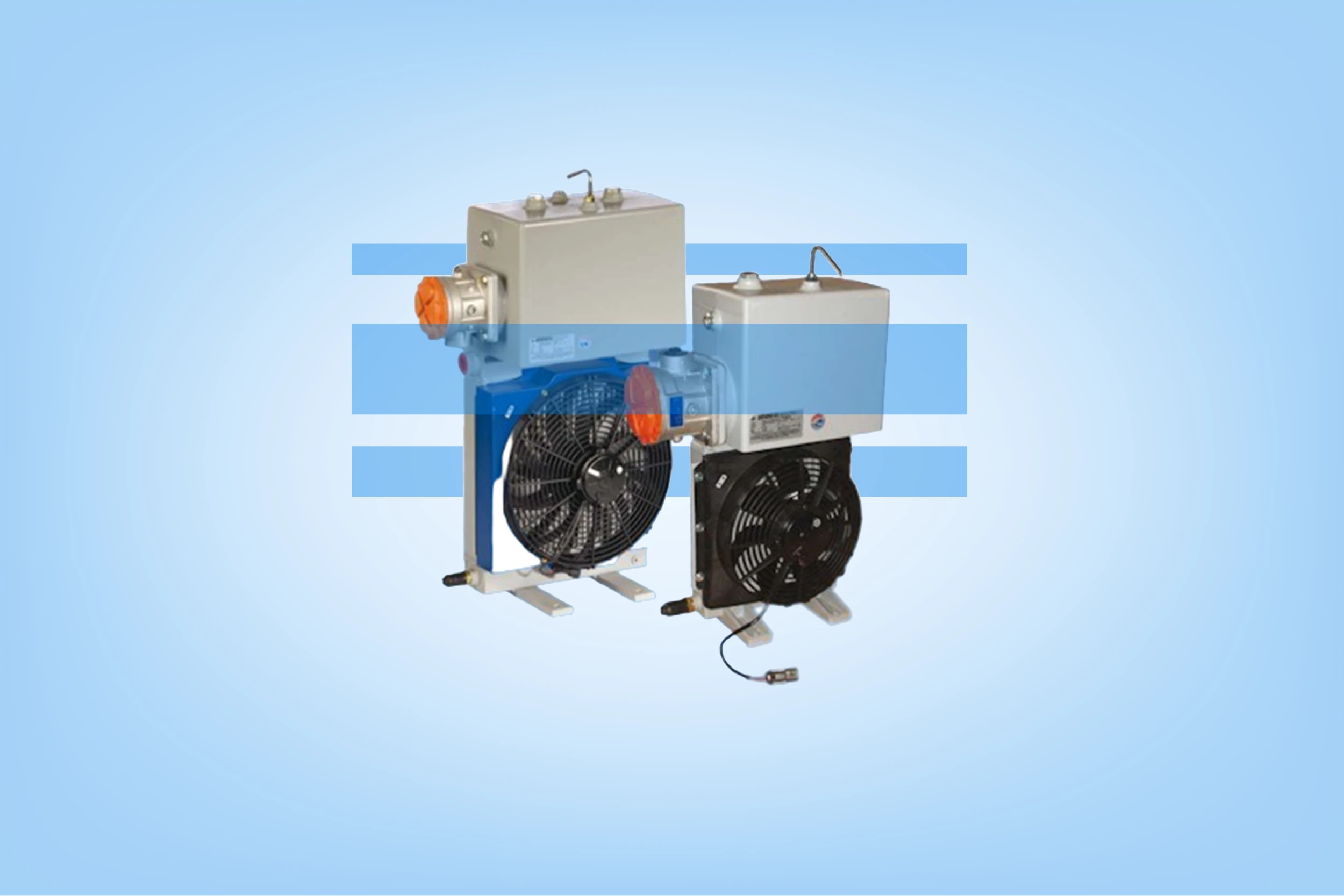
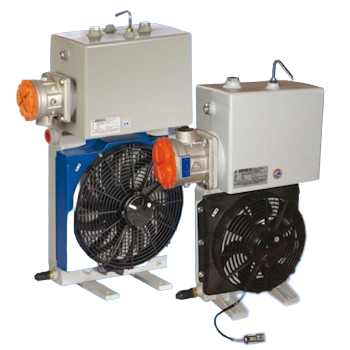
In this context, oil cooling becomes essential. Solutions such as the Emmegi HPA TK series heat exchangers help maintain stable fluid operating temperatures, improving efficiency and reliability across the entire system.
The Risks of Contamination in Hydraulic Systems
Many companies underestimate the economic impact of oil contamination. In reality, the greatest cost does not come from replacing the fluid itself, but from the indirect consequences.
The first issue is efficiency loss. Worn pumps and motors require more energy to deliver the same performance. The system consumes more while performing worse.
Contamination also increases the risk of sudden failures. A stuck valve or damaged cylinder can halt entire production lines, causing delays and significant costs.
In modern industrial systems, where automation and precision are strategic factors, even small variations in pressure or flow can compromise process quality.
The issue becomes even more critical in mobile machinery and heavy-duty sectors such as construction, agriculture, and steel manufacturing, where systems operate in dusty environments and are exposed to significant temperature fluctuations.
How to Identify Contaminated Hydraulic Oil
Several warning signs can help quickly identify ongoing contamination.
Increased noise is one of the first alarm signals. Pumps that become noisier than usual often indicate the presence of air or cavitation.
Abnormal overheating of the circuit may also indicate fluid degradation. When oil loses lubricating capacity, internal friction increases and temperature rises rapidly.
Other common symptoms include irregular actuator movement, reduced precision, filters clogging quickly, and sudden pressure fluctuations.
From a visual standpoint, contaminated oil may appear darker, cloudy, or foamy. In the presence of water, the fluid often takes on a milky appearance.
However, visual inspection alone is not enough. The most dangerous problems often result from microscopic contamination invisible to the naked eye.
The Importance of Oil Analysis
Regular oil analysis is one of the most effective tools for predictive maintenance.
Analyzing the fluid means assessing the health of the system. The presence of metallic particles, water, or abnormal residues makes it possible to detect wear and critical issues before they develop into failures.
A complete analysis evaluates key parameters such as:
- solid contamination level;
- viscosity;
- water content;
- fluid oxidation;
- metal wear particles.
This approach makes it possible to schedule maintenance intelligently, avoiding both premature replacements and unexpected breakdowns.
Temperature Control as a Preventive Strategy
Temperature directly affects hydraulic oil lifespan.
When the fluid operates at excessively high temperatures, oxidation accelerates and the oil quickly loses its properties. Every thermal increase reduces lubricating capacity and increases residue formation.
Thermal control not only protects the oil but also preserves pumps, valves, and seals.
For this reason, modern systems increasingly integrate dedicated cooling solutions. Heat exchangers dissipate excess heat and keep the circuit within stable operating parameters even under intensive working conditions.
A properly cooled system reduces energy consumption, improves efficiency, and extends the lifespan of the entire installation.
Best Practices to Prevent Hydraulic Oil Contamination
Prevention requires a structured approach. The most efficient companies treat hydraulic fluid as a strategic component rather than a simple consumable.
Cleanliness during maintenance operations is the first step. Even a quick intervention can introduce impurities if proper procedures are not followed.
Top-ups should be carried out using clean containers and compatible oils. Mixing different fluids alters chemical characteristics and accelerates degradation.
Oil storage conditions also affect final quality. Open drums or storage in humid environments promote contamination and oxidation.
Finally, staff training plays a decisive role. Technicians and operators must recognize signs of deterioration and understand the importance of circuit cleanliness.
Contamination and Predictive Maintenance: The Future of Hydraulics
Modern industry is increasingly focused on predictive maintenance. Intelligent sensors and monitoring systems now make it possible to track temperature, pressure, and fluid quality in real time.
This approach allows intervention before a problem causes an actual failure.
Oil contamination is no longer considered an unavoidable event but a measurable and manageable variable. Companies that invest in fluid monitoring achieve more reliable systems, lower maintenance costs, and greater production continuity.
In a market where efficiency and reduced downtime determine competitiveness, hydraulic oil management becomes a strategic decision.