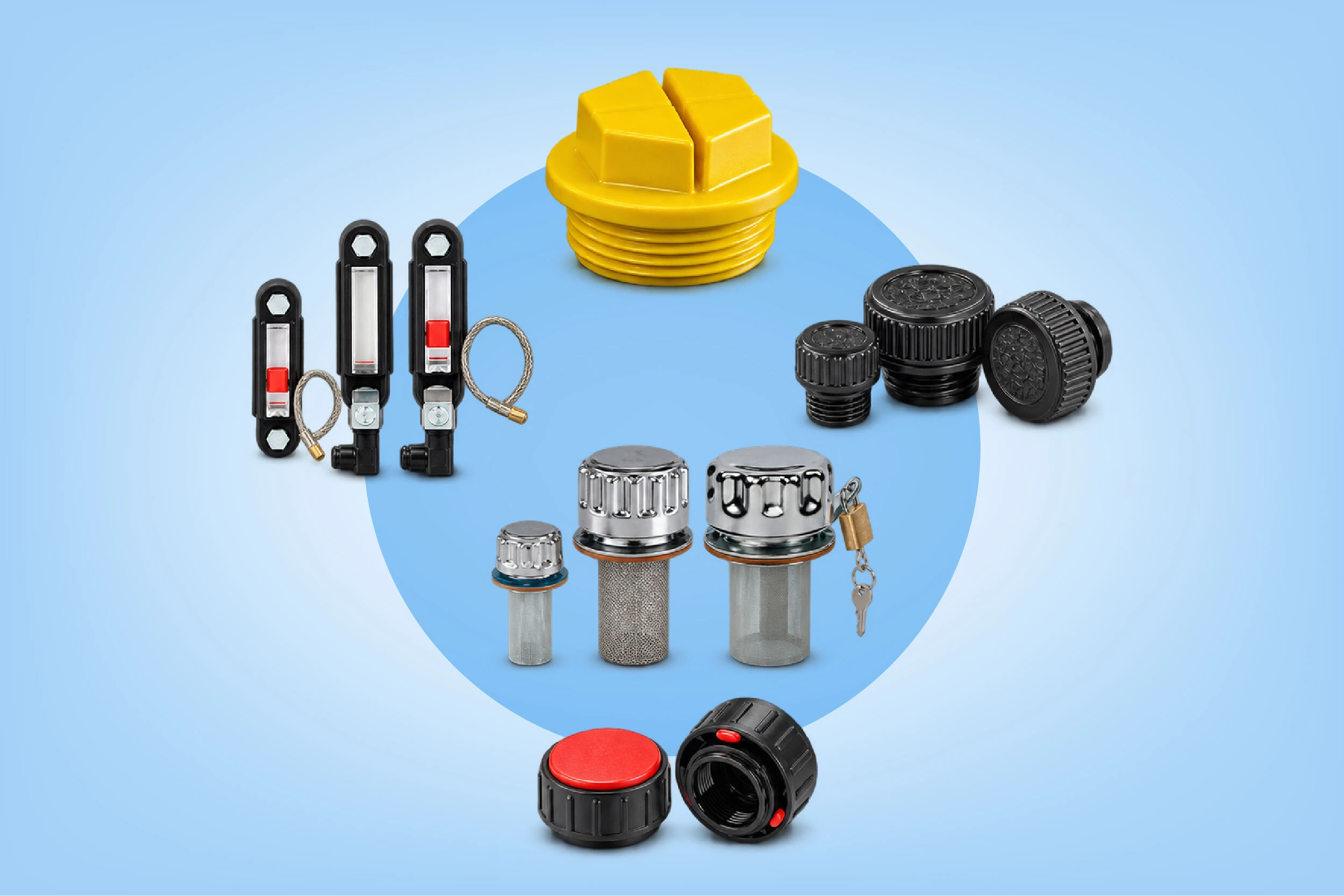
Hydraulic Power Unit Maintenance: The Role of Accessories in Preventing Failures
Insufficient oil levels, a clogged breather or a deteriorated closing plug can compromise the operation of a hydraulic power unit. Seemingly minor issues can lead


Insufficient oil levels, a clogged breather or a deteriorated closing plug can compromise the operation of a hydraulic power unit. Seemingly minor issues can lead
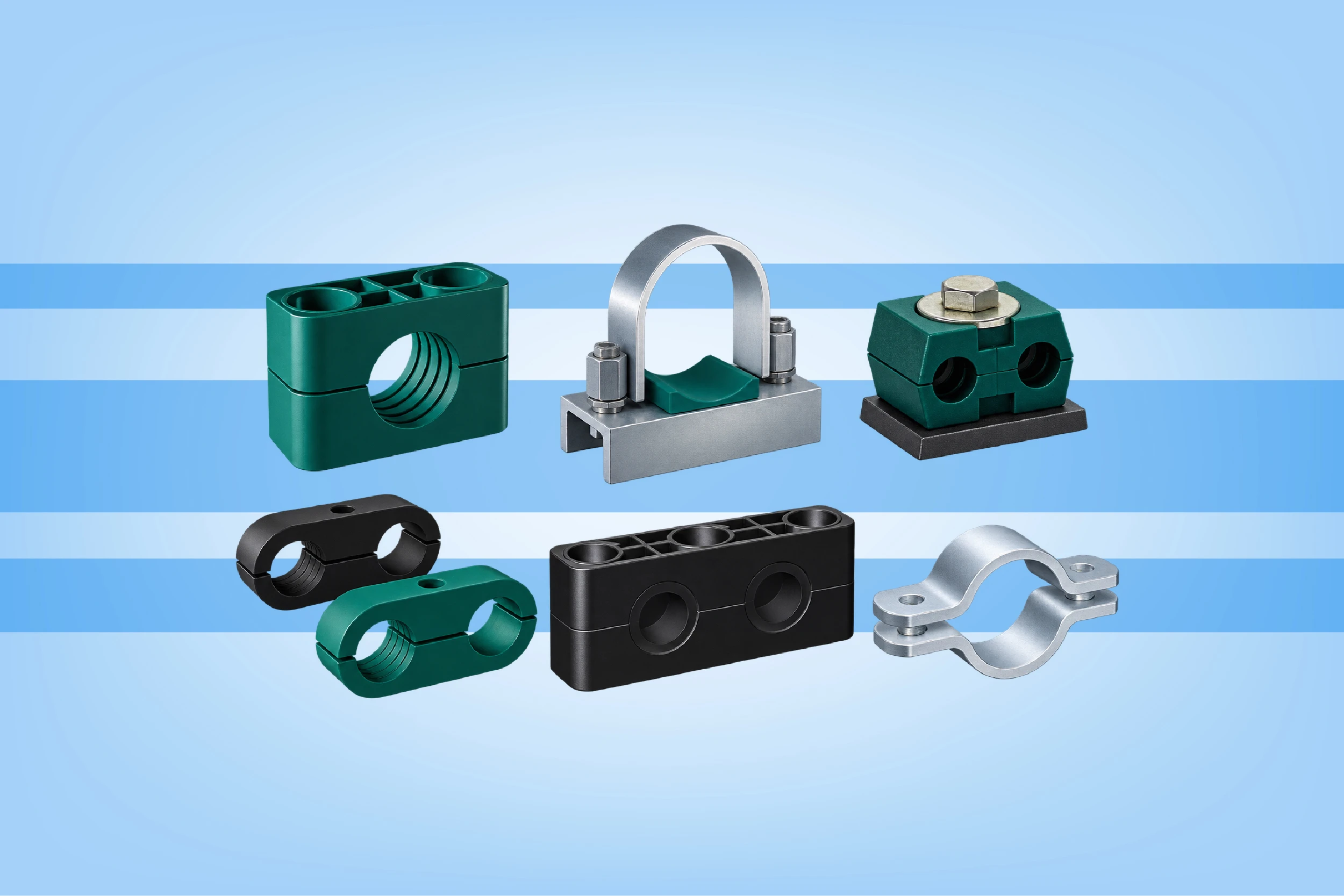
Hydraulic pipe clamps play a fundamental role in the stability and safety of industrial hydraulic systems. These components ensure that pipes are securely fastened, limit
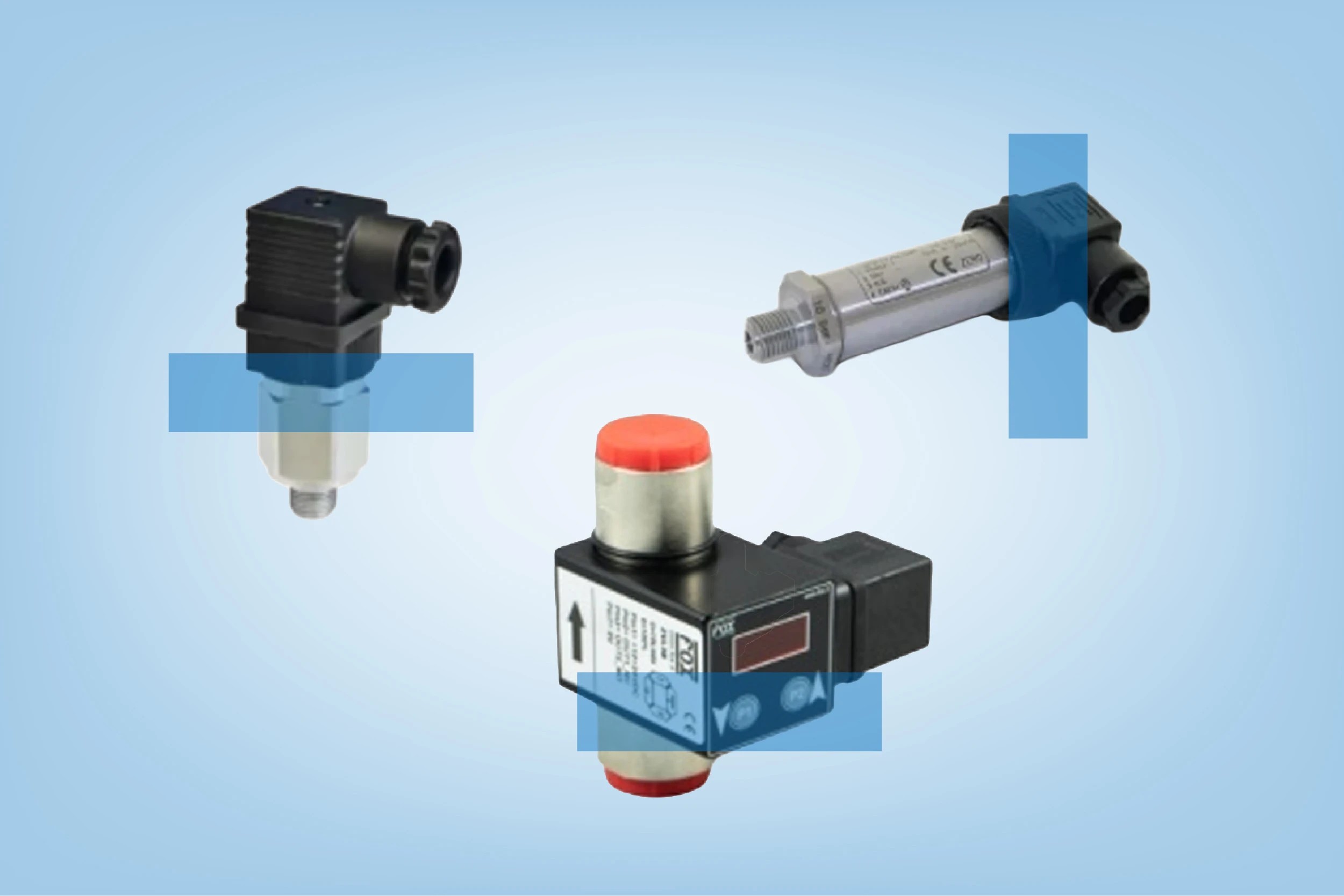
Hydraulic measurement and control instruments make it possible to monitor the operating conditions of hydraulic systems, identify potential anomalies, and maintain consistent performance over time.
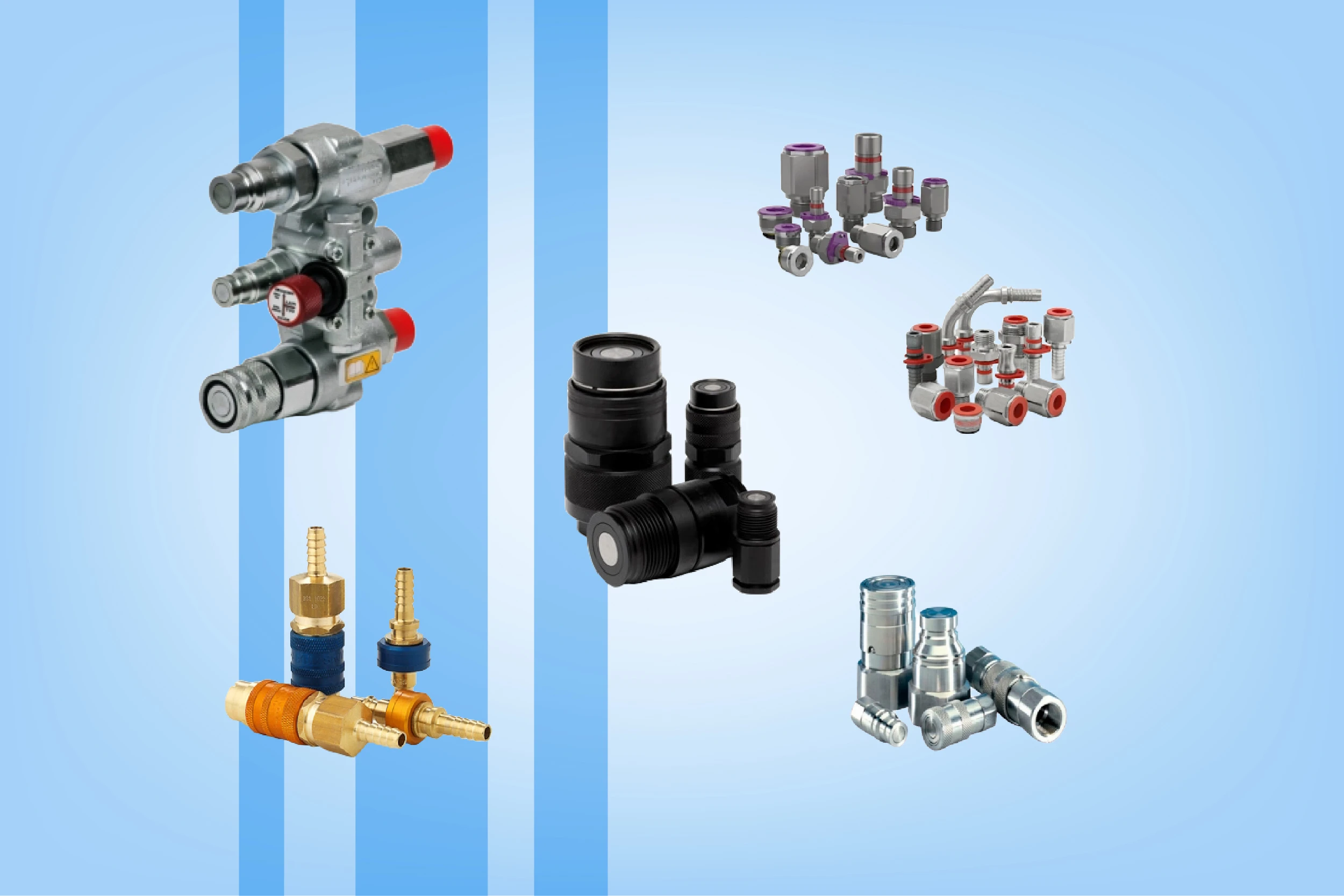
Hydraulic quick-release couplings play an essential role in hydraulic systems, allowing hoses, equipment, and components to be connected and disconnected quickly, conveniently, and safely. Their
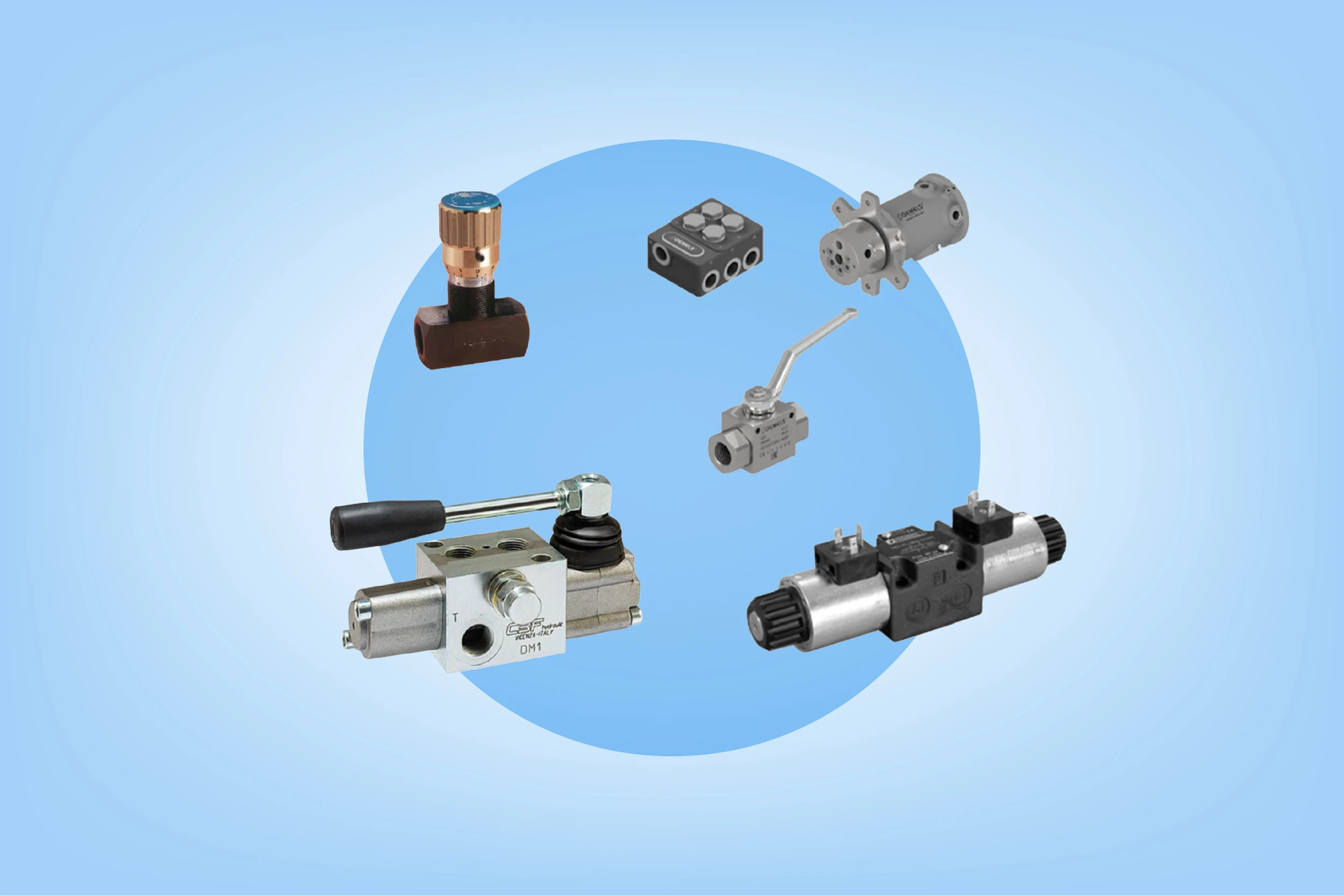
Hydraulic valves are essential components in industrial hydraulic circuits. They regulate pressure, control oil flow, and manage flow direction, ensuring the proper operation of machinery
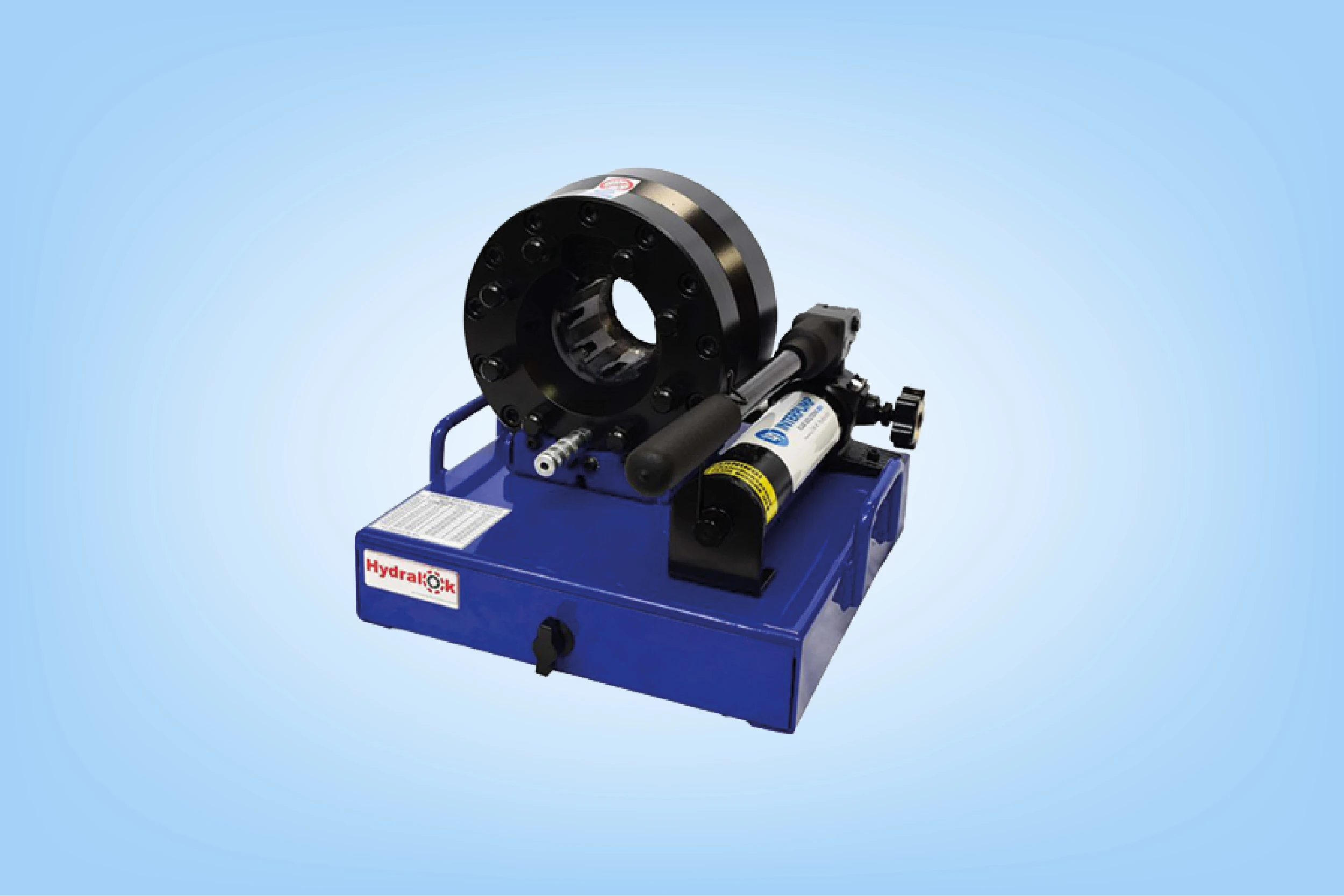
Crimping is one of the most critical stages in the production of a hydraulic hose assembly. The fitting must remain securely attached to the hose
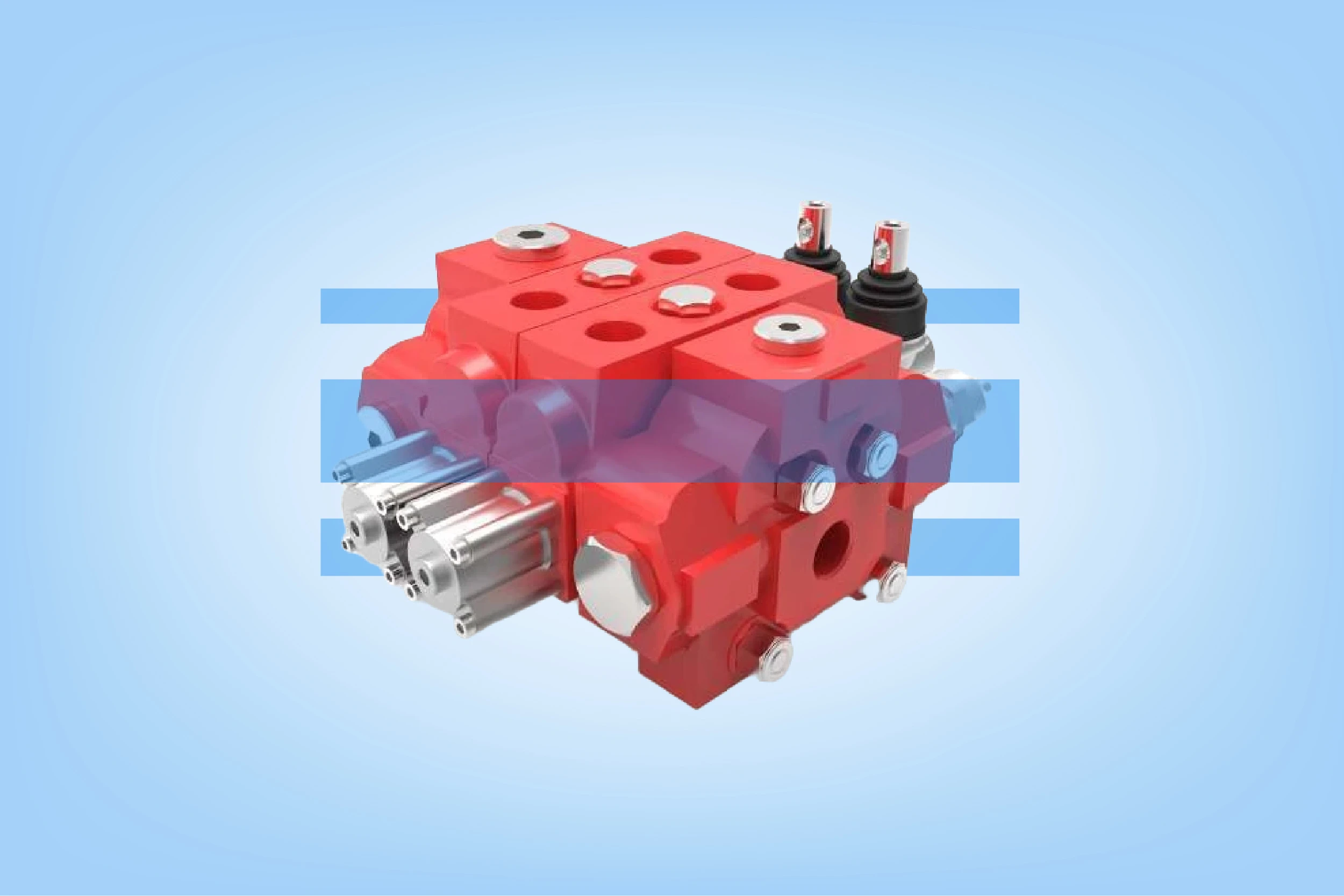
Hydraulic directional control valves play a central role in the operation of a hydraulic system: they manage the flow path of the oil and allow
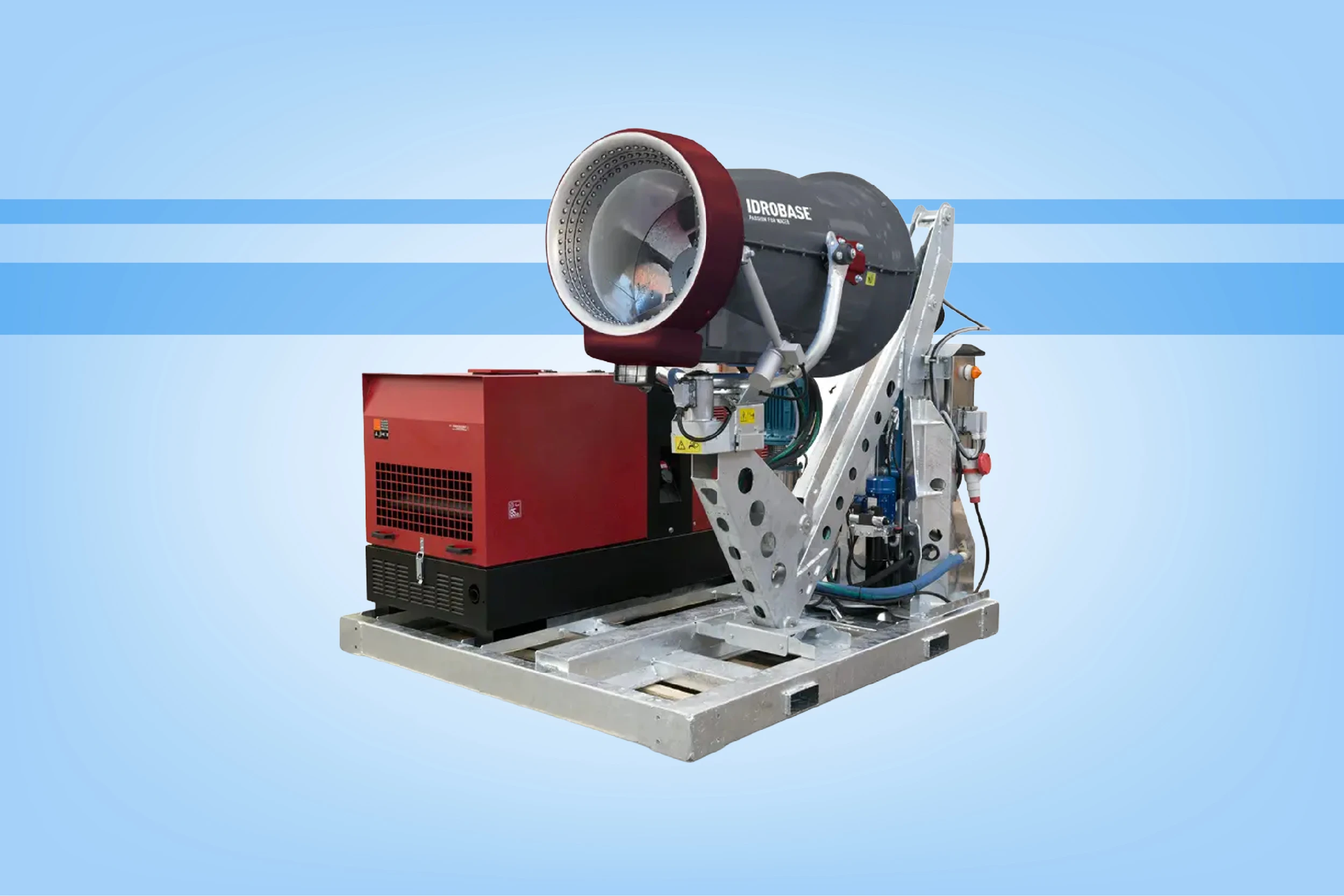
Fine dust, airborne material and particulate matter represent a significant challenge in construction sites, quarries, waste treatment plants, cement plants, steelworks and facilities handling bulk
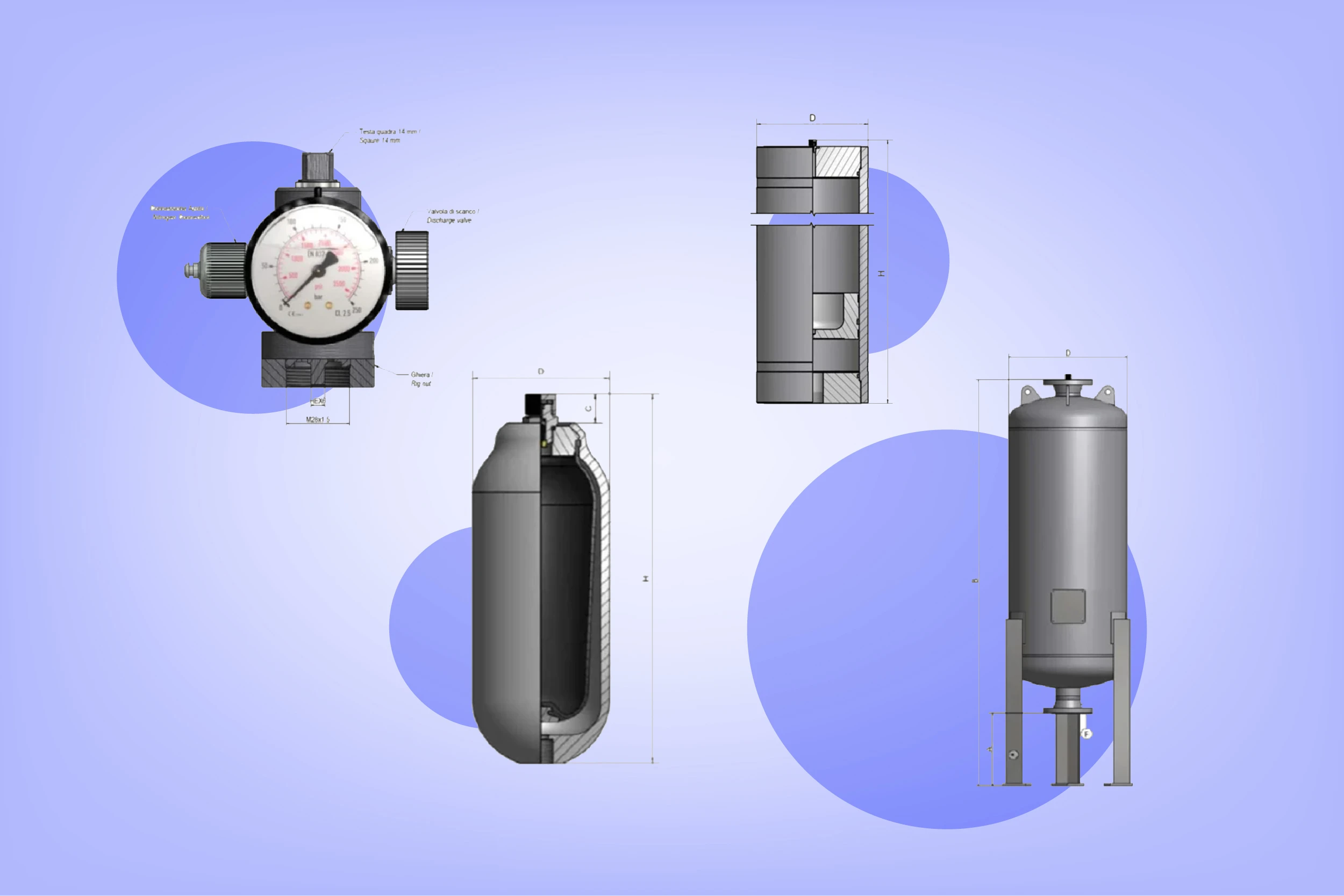
The efficiency of a hydraulic system depends on its ability to manage workload peaks, absorb sudden shocks, and maintain constant pressure throughout every phase of
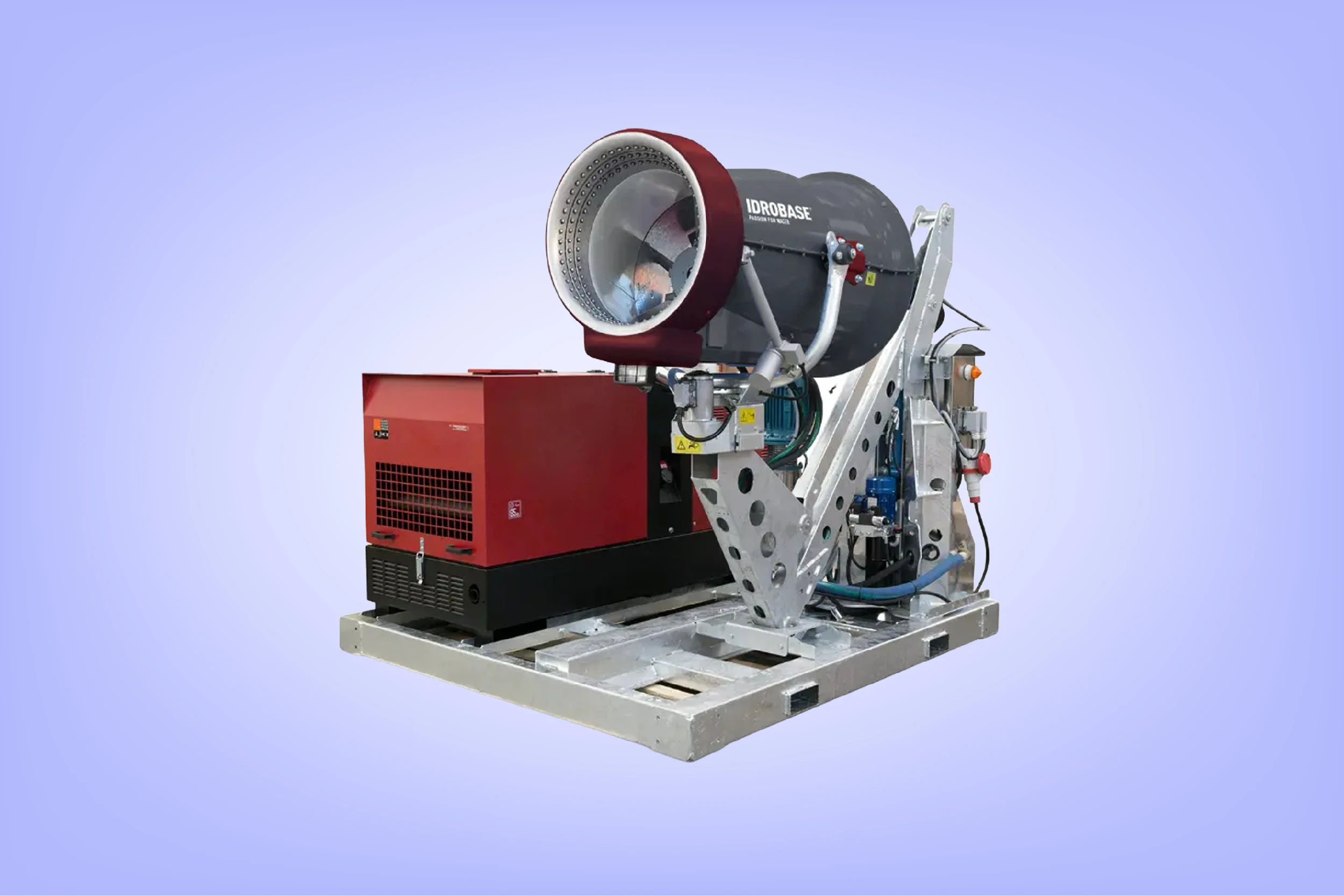
Managing airborne particles and odor emissions is an unavoidable engineering challenge for construction sites, steelworks, and waste treatment facilities. Ignoring the problem exposes operators to