


Mobile hydraulics represents the operational core of agricultural machinery, earthmoving equipment, aerial platforms, telehandlers, and industrial vehicles. In these applications, efficiency and reliability do not depend solely on the power generated by the system, but on the ability of the entire hydraulic circuit to operate continuously, accurately, and consistently even under demanding conditions.
Dust, vibrations, temperature fluctuations, sudden loads, and intensive use place every hydraulic component under constant stress. A minor efficiency loss in a pump, localized overheating, or an undersized motor can compromise fuel consumption, productivity, and machine lifespan.
Improving mobile hydraulic performance therefore means optimizing the entire circuit ecosystem: design, components, filtration, thermal management, and maintenance must work together.
Why Mobile Hydraulics Requires a Different Approach
A fixed industrial hydraulic system generally operates under more stable conditions. Mobile machinery, on the other hand, constantly faces load variations, inclines, impacts, and changing environmental conditions.
An excavator may work for hours under the summer sun and, the next day, operate in muddy environments or at low temperatures. A combine harvester must withstand continuous dust and extended work cycles. An aerial platform requires smooth and precise movements even under heavy loads.
In all these cases, the hydraulic system must ensure:
- immediate response;
- pressure stability;
- precise motion control;
- wear resistance;
- operational continuity.
Efficiency is not only about energy savings. An efficient system reduces losses, limits overheating, lowers fuel consumption, and extends the service life of components.
The Main Causes of Inefficiency in Heavy Machinery
Many issues originate from a combination of small imbalances that, over time, compromise the entire system.
Oil contamination is one of the most common critical issues. Dust, water, and metal particles accelerate internal wear in pumps, valves, and motors. It is similar to what happens in a car engine when oil loses its lubricating properties: friction increases and performance gradually declines.
Overheating also has a major impact on reliability. When temperatures exceed optimal limits, the oil loses viscosity and the system becomes less stable. Seals deteriorate more quickly, while mechanical components are subjected to greater stress.
Another common mistake involves incorrect component sizing. An oversized pump consumes more energy than necessary. An undersized motor constantly operates near its limit, increasing wear and the risk of failure.
The Strategic Role of Hydraulic Motors
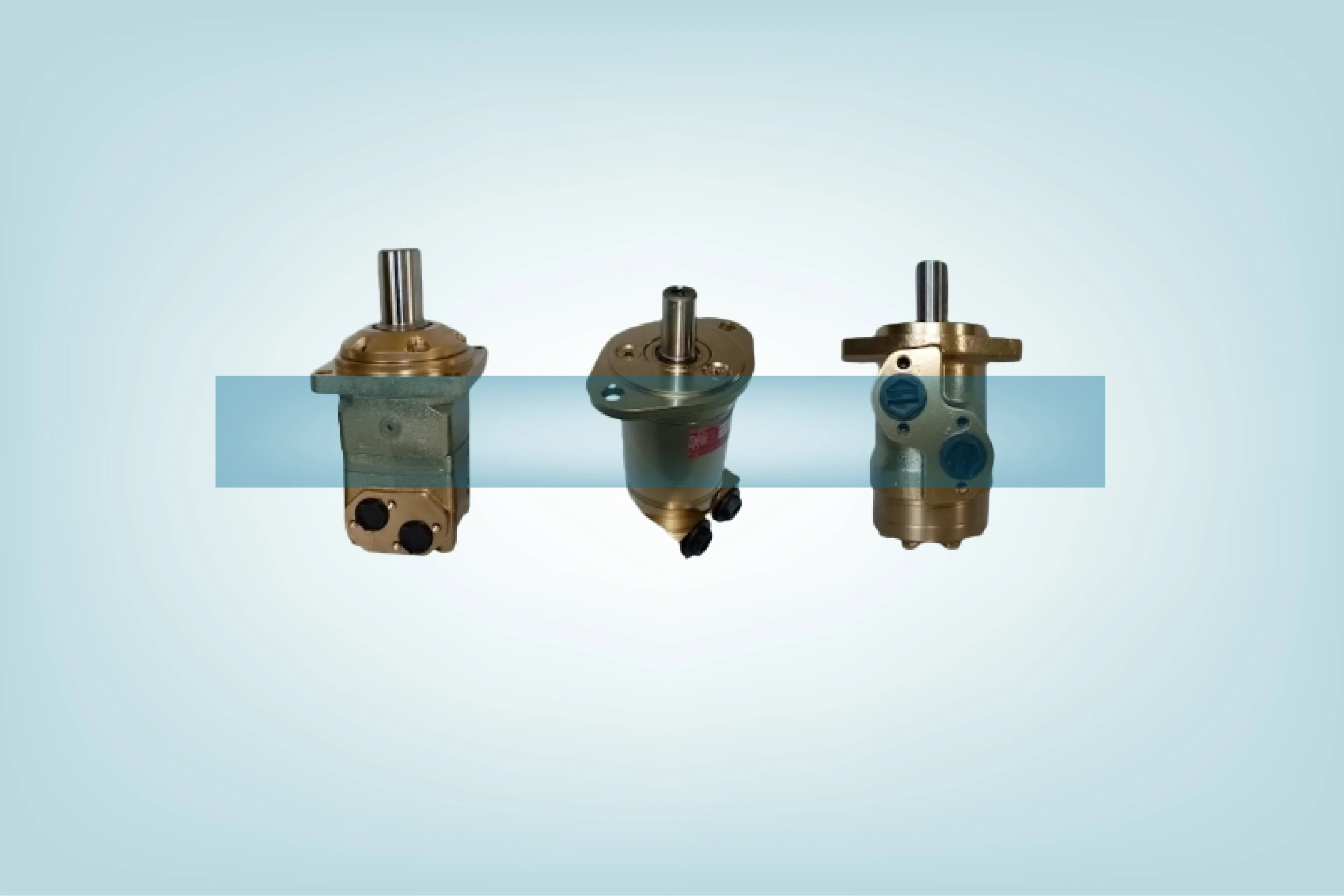
In mobile machinery, hydraulic motors convert hydraulic energy into mechanical motion. Their selection directly affects torque, precision, and energy consumption.
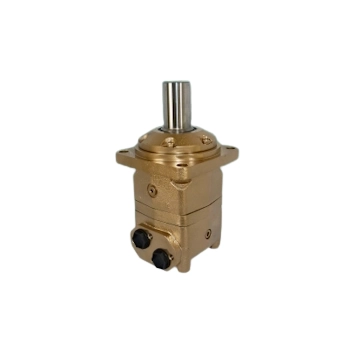
Orbital motors, for example, are widely used in mobile applications thanks to their ability to deliver high torque even at low speeds. This feature makes them particularly suitable for agricultural machinery, industrial sweepers, winches, and operational vehicles.
Within the range available from LubeTeam, the products featured in the orbital motors section ensure compactness, reliability, and operational continuity even in demanding environments.
Choosing the right motor helps reduce energy losses and improves machine control. An efficient motor prevents jerky movements, enhances precision, and minimizes stress throughout the hydraulic circuit.
Energy Efficiency: Where Performance Is Actually Lost
Many operators associate performance loss only with wear in major components. In reality, a significant amount of energy is dissipated throughout the hydraulic circuit.
Tight hose bends, unsuitable fittings, internal leaks, and inefficient valves generate pressure drops that force the system to work harder.
It is the same principle as a domestic water system: if water flow encounters obstacles or restrictions, pressure decreases and more energy is required to maintain the desired flow rate.
In mobile applications, these inefficiencies result in:
- higher fuel consumption;
- reduced operating speed;
- increased oil temperature;
- accelerated wear.
Optimizing circuit layout often delivers immediate improvements without requiring modifications to the entire machine.
Temperature Management in Mobile Hydraulic Systems
Thermal control is one of the most underestimated aspects of mobile hydraulics.
Every component generates heat during operation. If the system cannot dissipate it properly, the oil loses stability and the circuit becomes less efficient.
High temperatures alter the viscosity of hydraulic fluid. Oil that becomes too thin reduces lubrication capability and increases internal leakage. On the other hand, excessively low temperatures slow system response and make circulation more difficult.
For this reason, modern machines integrate increasingly advanced cooling systems capable of maintaining stable operating conditions even during intensive use.
Proper thermal dissipation improves system stability and drastically reduces the risk of machine downtime.
Oil Filtration and Cleanliness: The True Foundation of Reliability
A mobile hydraulic system can function properly only if the fluid maintains adequate cleanliness levels.
Every contaminating particle acts like a microscopic abrasive. Over time, these impurities damage internal surfaces, valves, and sealing components.
Filtration should not be viewed as a simple auxiliary protection, but as a core element of the maintenance strategy.
An efficient filtration system:
- preserves component precision;
- reduces wear;
- extends oil service life;
- lowers maintenance costs.
In mobile machinery, contamination increases rapidly due to aggressive environmental conditions. For this reason, regular inspections and scheduled filter replacements become essential.
The Importance of Predictive Maintenance
Modern monitoring technologies now make it possible to prevent many failures before they occur.
Pressure, temperature, and level sensors continuously monitor system behavior. An abnormal variation may indicate an impending issue, allowing targeted intervention before machine downtime occurs.
Predictive maintenance transforms mobile hydraulic management from reactive to strategic.
A gradual increase in temperature, for example, may signal a circuit obstruction or a loss of pump efficiency. A pressure drop may indicate internal wear or leakage.
Timely intervention reduces extraordinary costs and limits downtime.
How to Improve the Operational Reliability of Mobile Machinery
Reliability does not depend on a single high-quality component. It depends on the balance of the entire system.
Reliable heavy machinery is built on:
- proper circuit design;
- correct selection of pumps and motors;
- effective thermal management;
- efficient filtration;
- continuous monitoring;
- scheduled maintenance.
Connection quality also plays a key role. Continuous vibrations and dynamic stresses can cause loosening and micro-leaks that, over time, compromise the entire system.
Selecting compatible components specifically designed for mobile applications significantly reduces operational issues.
Reducing Consumption Without Sacrificing Performance
In the mobile sector, reducing consumption is becoming an increasingly important priority.
An inefficient system requires more energy to perform the same task. This means higher fuel consumption, more emissions, and greater operating costs.
Optimization involves several factors:
- high-efficiency components;
- reduction of pressure losses;
- intelligent pressure control;
- optimal temperature management;
- use of motors suited to the specific application.
Today’s most advanced machines can automatically modulate hydraulic power according to the actual load, avoiding unnecessary energy waste.
The Evolution of Mobile Hydraulics in the Coming Years
The industry is rapidly evolving toward increasingly intelligent, compact, and efficient systems.
The electrification of heavy machinery requires hydraulic systems capable of operating with lower consumption and greater precision. At the same time, the use of advanced sensors and integrated diagnostic systems continues to grow.
Sustainability is also becoming a central factor. Biodegradable fluids, reduced energy losses, and longer component lifespan are becoming strategic priorities for manufacturers and operators alike.
Companies investing today in reliable components and advanced technologies can achieve tangible advantages in terms of operational continuity, cost reduction, and competitiveness.