AMI Modular Directional Control Valves
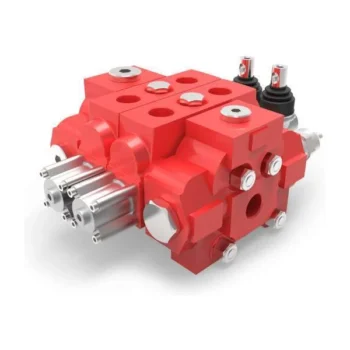
AMI modular directional control valves are a high-performance modular solution for managing and controlling fluid flow direction in complex hydraulic circuits. Designed to ensure maximum operational versatility, these components allow multiple working sections to be assembled into a single flanged configuration, dynamically adapting to the specific flow rate and pressure requirements of the hydraulic system. Their modular architecture reduces the need for external piping, minimizing pressure losses and simplifying both installation in space-constrained layouts and scheduled maintenance operations.
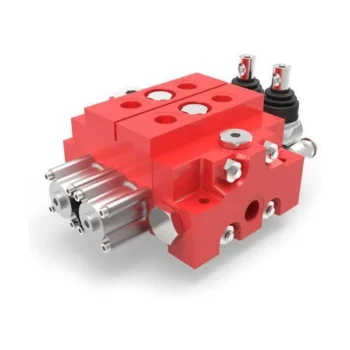
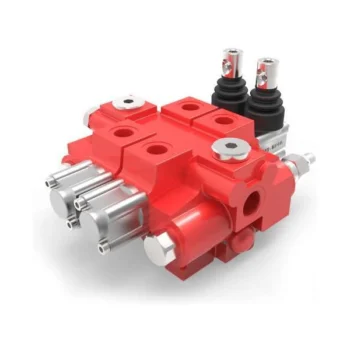
The available range covers a wide spectrum of design and sizing requirements. For applications requiring fluid management with high nominal flow rates and maximum reliability under demanding operating conditions, the AMI 42C Directional Control Valve ensures precise and efficient directional control. In hydraulic systems where space optimization is a priority while excellent resistance to pressure peaks must be maintained, the AMI 12C Directional Control Valve is an optimal engineering solution.
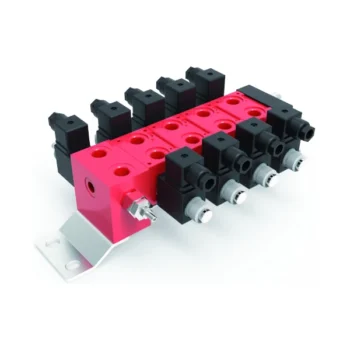
Where the circuit requires compact and responsive solutions designed for lower flow rates but frequent operating cycles, the AMI 5C Directional Control Valve ensures fast switching times and minimal internal leakage. Finally, for more complex layouts and highly integrated circuits requiring dedicated sections, the AMI DB3C – DB3 Directional Control Valve provides advanced operational flexibility, allowing customized configurations together with outstanding structural strength.
These components are essential in industrial automation, agricultural machinery, earthmoving equipment and mobile lifting applications. They are particularly valuable wherever multiple hydraulic actuators, such as cylinders or hydraulic motors, must be controlled precisely and simultaneously through a single centralized modular control unit.
Choosing AMI modular directional control valves provides several technical advantages: maximum hydraulic circuit scalability thanks to the possibility of adding, replacing or removing individual working modules, significantly reduced machine downtime through selective maintenance, excellent internal sealing performance and high resistance to long-term wear, even under demanding environmental conditions.